



Our Products

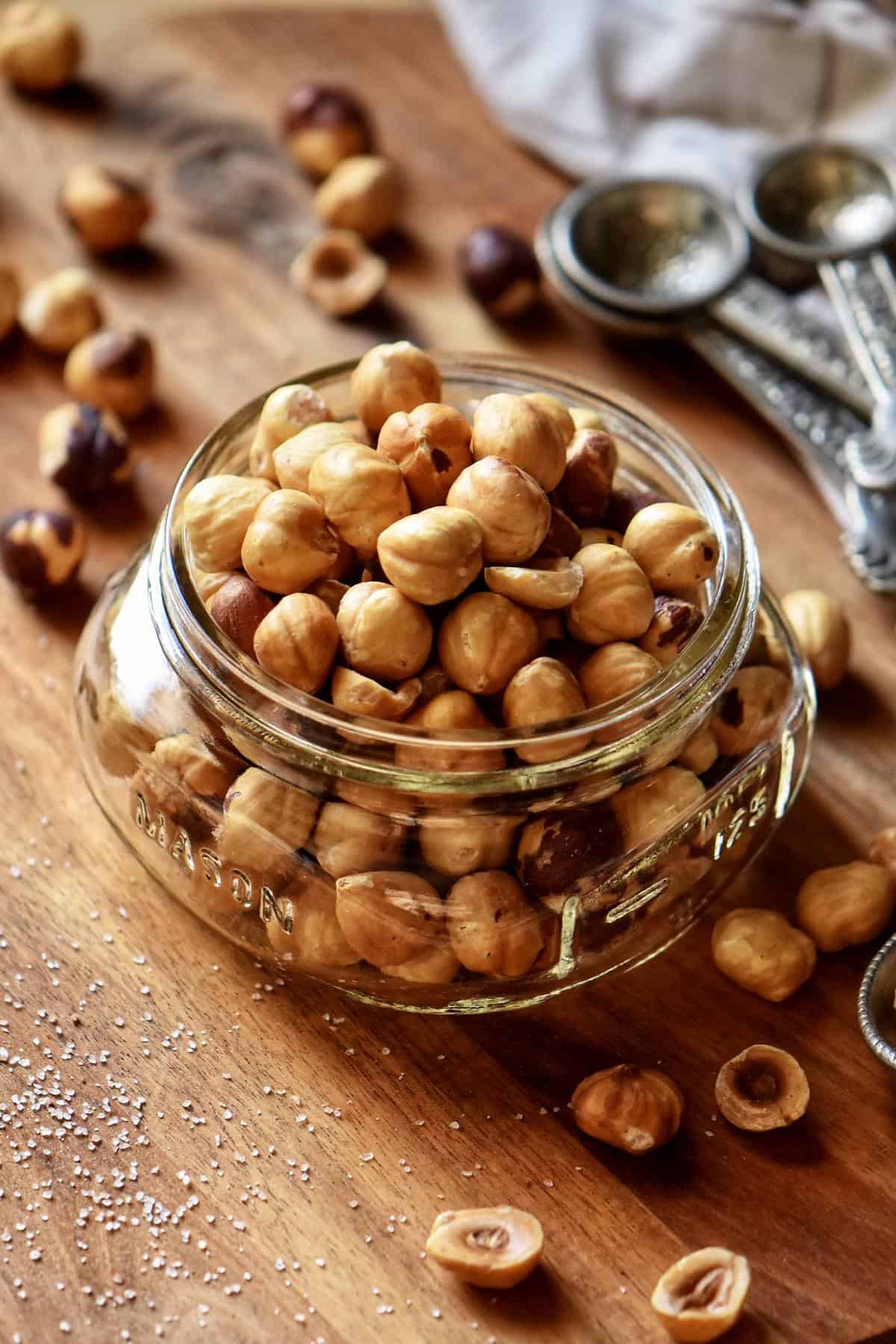
This product is prepared by roasting the hazelnut kernels. It can be prepared with desired roasting degrees, lightly, medium, or heavily roasted, and optionally completely skinless or partially skinned according to preference. It is used in the chocolate industry and consumed as a snack.

This product is prepared by cutting natural or roasted hazelnut kernels into millimetric sizes (2-4 mm, 3-5 mm, etc.) according to technique. It is used in ice cream, biscuits, chocolate, and pastry making.

This product is obtained by grinding roasted hazelnut kernels according to technique. It is used in pastry, biscuit, and ice cream making.
ORGANIC AND UTZ CERTIFIED HAZELNUTS
We can offer all our products as Organic and UTZ certified to our customers. Our organic products are certified as BIO-EU, NOP, and BIO-SUISSE by France's ECOCERT and Switzerland's Bio-Suisse organizations. Additionally, we can offer UTZ certified hazelnuts to our customers.
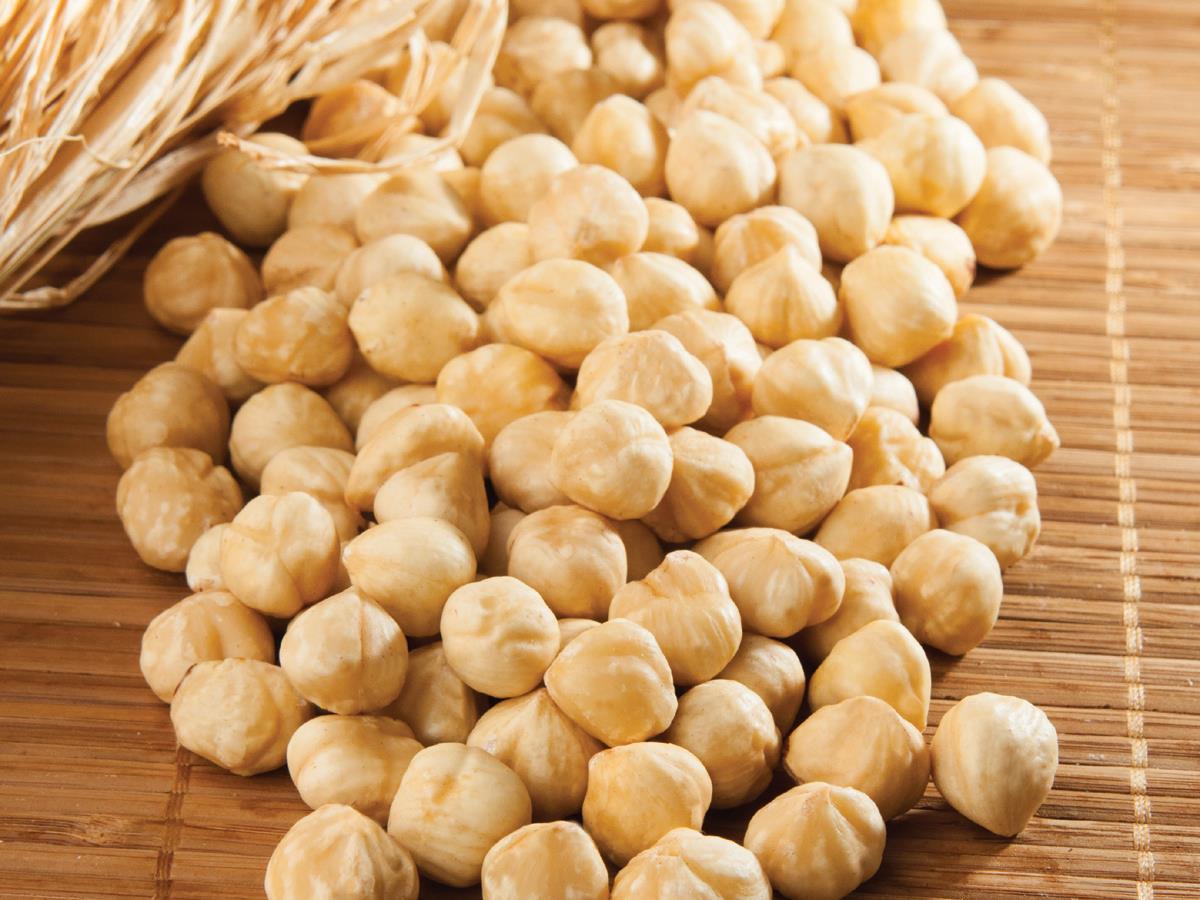
These are the kernels removed from the hard fruit shell of hazelnuts. Hazelnut kernels are prepared as 1st Grade, 2nd Grade, and Extra. The smallest diameter of Extra and 1st Grade hazelnuts is 9 mm. Hazelnuts with smaller diameters are called thin or picola hazelnuts. Extra and 1st Grade hazelnut kernels are usually prepared as 11-13 mm, 13-15 mm, and over 11 mm according to buyers' requests. Sizing is not mandatory for 2nd Grade hazelnut kernels. All our products are produced in accordance with Turkish Standards.
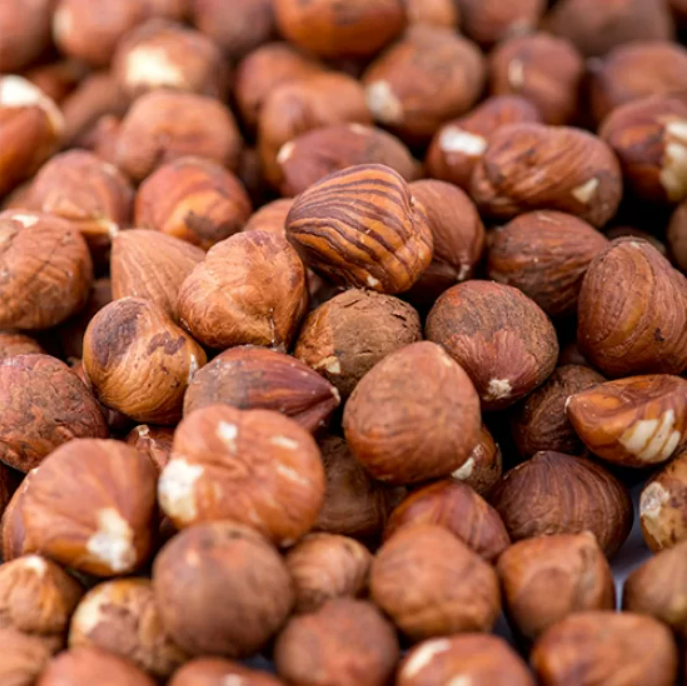
We can offer all our products as Organic to our customers. Our organic products are certified as BIO-EU, NOP, and BIO-SUISSE by Switzerland's IMO Swiss AG company and IMO-Turkey.
+Zn.jpg)
The elements in this product help meet the plant's basic nutrient needs. It helps prevent crust formation in the soil. It contributes to increasing the organic matter content of the soil. Due to its natural chelating property, it helps dissolve previously used chemical fertilizers and make them available to the plant. By breaking down water-soluble lime and converting it to calcium, it helps prevent salinity formation in the soil. It helps obtain high-tonnage and quality products. It is especially recommended for products such as beets, sunflowers, grains, potatoes, and tomatoes.
+Zn.jpg)
The elements in this product help meet the plant's basic nutrient needs. It helps prevent crust formation in the soil. It contributes to increasing the organic matter content of the soil. Due to its natural chelating property, it helps dissolve previously used chemical fertilizers and make them available to the plant. By breaking down water-soluble lime and converting it to calcium, it helps prevent salinity formation in the soil. It helps obtain high-tonnage and quality products. It is especially recommended for products such as beets, sunflowers, grains, potatoes, and fruit orchards.
+Zn.jpg)
The elements in this product help meet the plant's basic nutrient needs. It helps prevent crust formation in the soil. It contributes to increasing the organic matter content of the soil. Due to its natural chelating property, it helps dissolve previously used chemical fertilizers and make them available to the plant. By breaking down water-soluble lime and converting it to calcium, it helps prevent salinity formation in the soil. It helps obtain high-tonnage and quality products. It is especially recommended for products such as beets, sunflowers, grains, and potatoes.
+Zn.jpg)
It helps enrich the soil in terms of basic elements by meeting the Nitrogen and Phosphorus needs of the soil. Thanks to the phosphorus and zinc content, it contributes to better rooting of the plant. It helps increase tillering in crops. It helps the product develop quickly. It helps obtain abundant yields by making the spike grains larger and fuller. The Sulfur in it helps accelerate the uptake of macro and micro elements by lowering the soil pH. It is recommended for Wheat, Corn, Cotton, and Grains.